Embedded Software · project thread
HAM Flight Computer Family
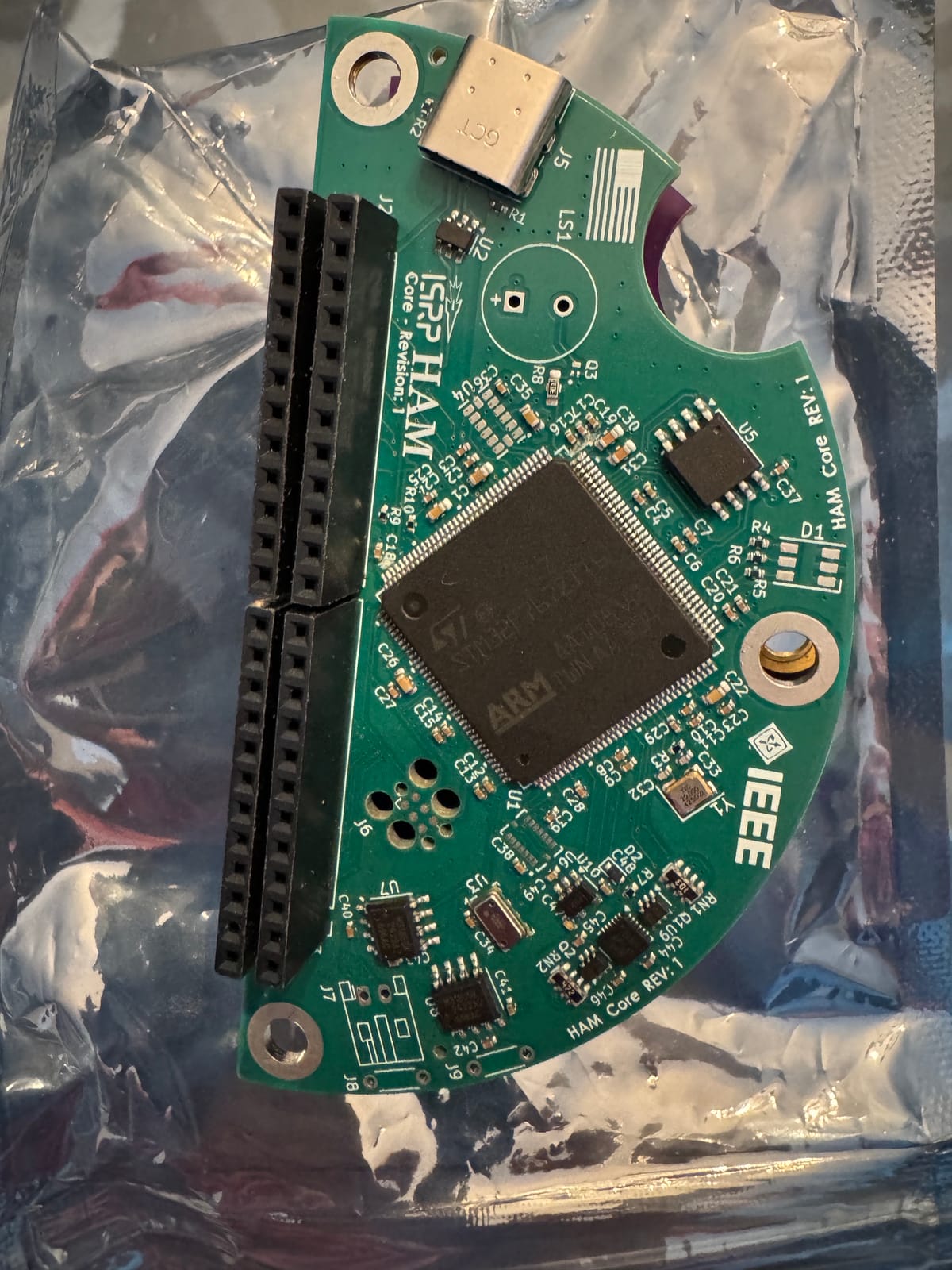
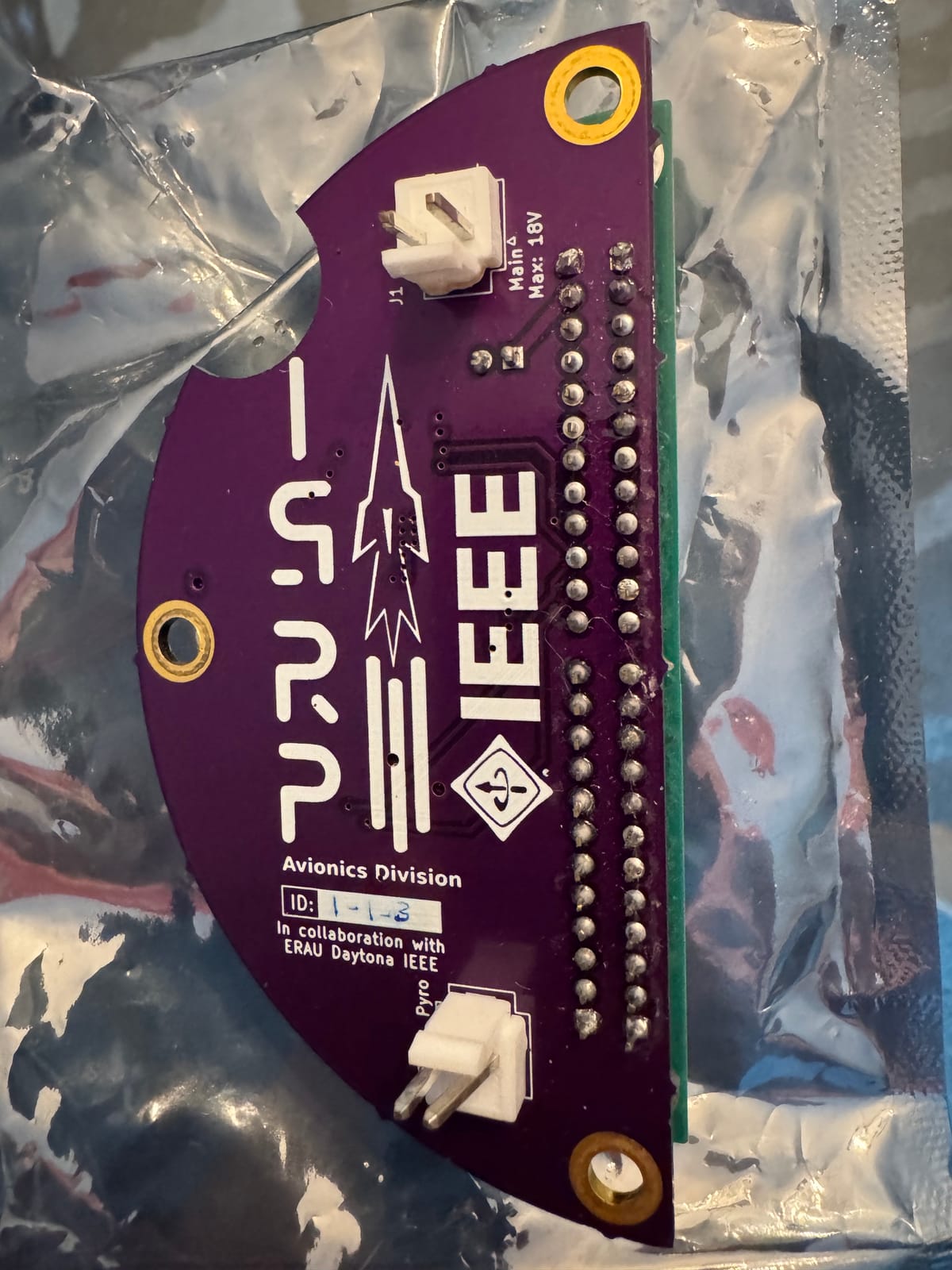
A modular STM32 flight-computer family spanning compact, low-cost avionics through an eight-channel redundant flight system.
Problem
High-power sounding rockets need reliable onboard sensing, logging, telemetry, and autonomous flight functions without depending entirely on expensive commercial flight computers.
Outcome
A scalable custom avionics architecture with redundant sensing, fault isolation, and flight-validated embedded software.
01 · Challenge
The engineering problem
High-power sounding rockets need reliable onboard sensing, logging, telemetry, and autonomous flight functions without depending entirely on expensive commercial flight computers.
02 · Contribution
My contribution
- Develop modular STM32 flight computers with redundant sensing, data logging, GPS, telemetry, and autonomous flight functions.
- Scale the architecture from compact HAM Mini avionics to an eight-channel redundant flight system.
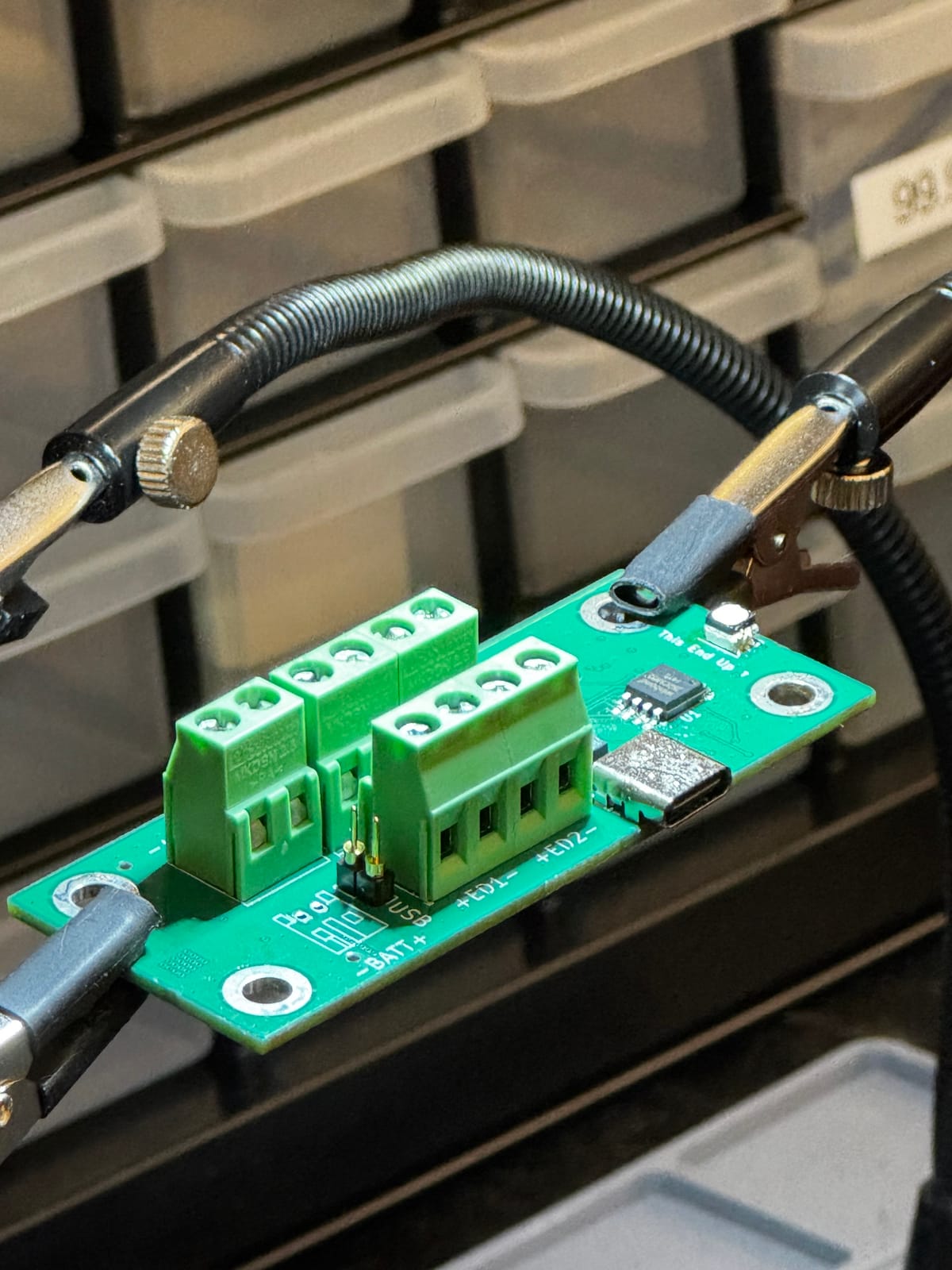
- Partition sensors and peripherals across CAN, UART, I²C, and SPI to reduce bus contention and isolate failures.
03 · Work / process
How the system took shape
- Develop and test sensor acquisition, data processing, and flight-state logic on physical avionics hardware.
- Integrate sensing, telemetry, data acquisition, and logging into the HAM Mini flight-software path.
- Validate reliable operation before flight deployment.
04 · Results / evidence
Results and evidence
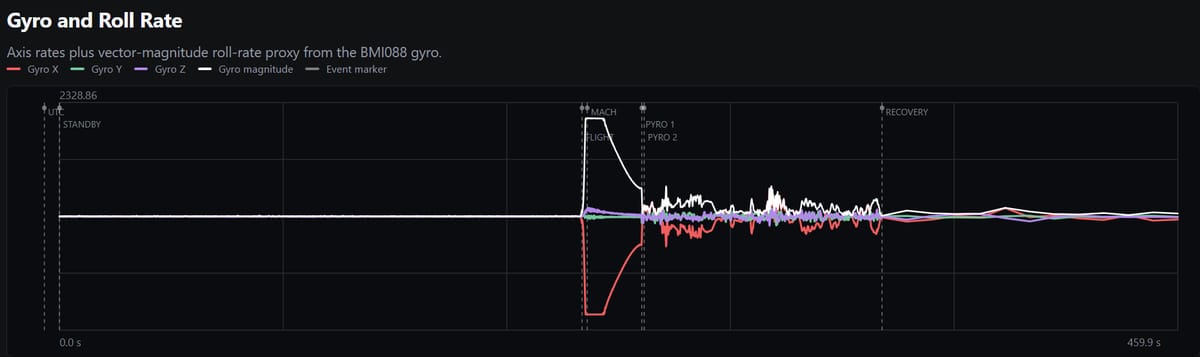
- HAM Mini flight software was validated through Mach 1 and approximately 10,000 ft while recording vehicle and environmental measurements.
- The family reduces dependence on expensive commercial off-the-shelf flight computers while supporting increasingly complex missions.